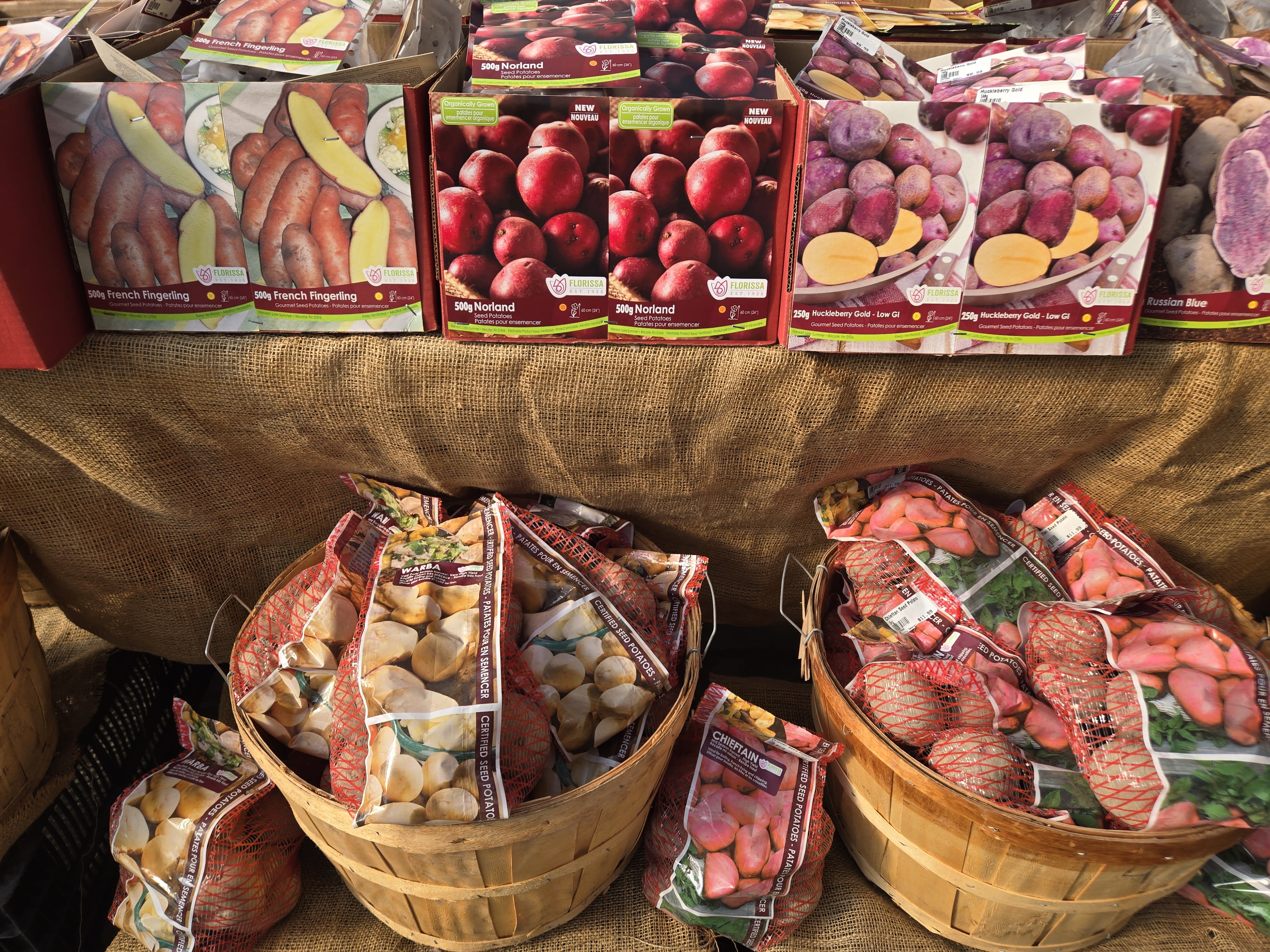
Growing potatoes and onions is a satisfying way to kick off the gardening season. Both crops are dependable, practical, and well-suited to the cool conditions of spring. With early planting, healthy soil, and steady care, you can enjoy a productive harvest that stores well and supports your kitchen for months.
Both are cool-season favorites that thrive when planted early, and with a little planning, they can provide a generous harvest for your kitchen and pantry that tastes far better than anything from the store. Knowing when to plant, how to prepare the soil, and how to care for these crops through the season can make all the difference.
Because potatoes and onions tolerate cool weather better than many summer vegetables, they can usually be planted before warm-season crops like tomatoes and peppers.
Soil Preparation for Both Crops
Potatoes and onions both grow best in full sun and loose, well-draining soil, but their feeding needs are slightly different.
Onions like fertile soil with steady nutrients throughout the season. Potatoes benefit from rich soil too, but too much nitrogen can lead to lush tops and fewer tubers.
Before planting, mix compost into the bed and consider a balanced vegetable fertilizer if your soil is poor. A soil test is always helpful if you want the most accurate amendment plan.
Avoid planting potatoes where tomatoes, peppers, or eggplants grew the year before, since they are in the same plant family and can share diseases. Onions should also be rotated to a new bed each year if possible.
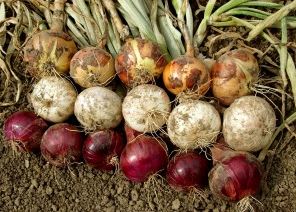
ONIONS
Onions are usually one of the earliest crops to plant in spring. In the Niagara region, onion sets, plants, or transplants can often go into the garden about 2 to 4 weeks before the last expected frost.
Because onions are sensitive to day length, gardeners in this area generally do best with long-day onion varieties. These types begin forming bulbs as the days lengthen in late spring and early summer.
Best onion planting options
There are three common ways to grow onions:
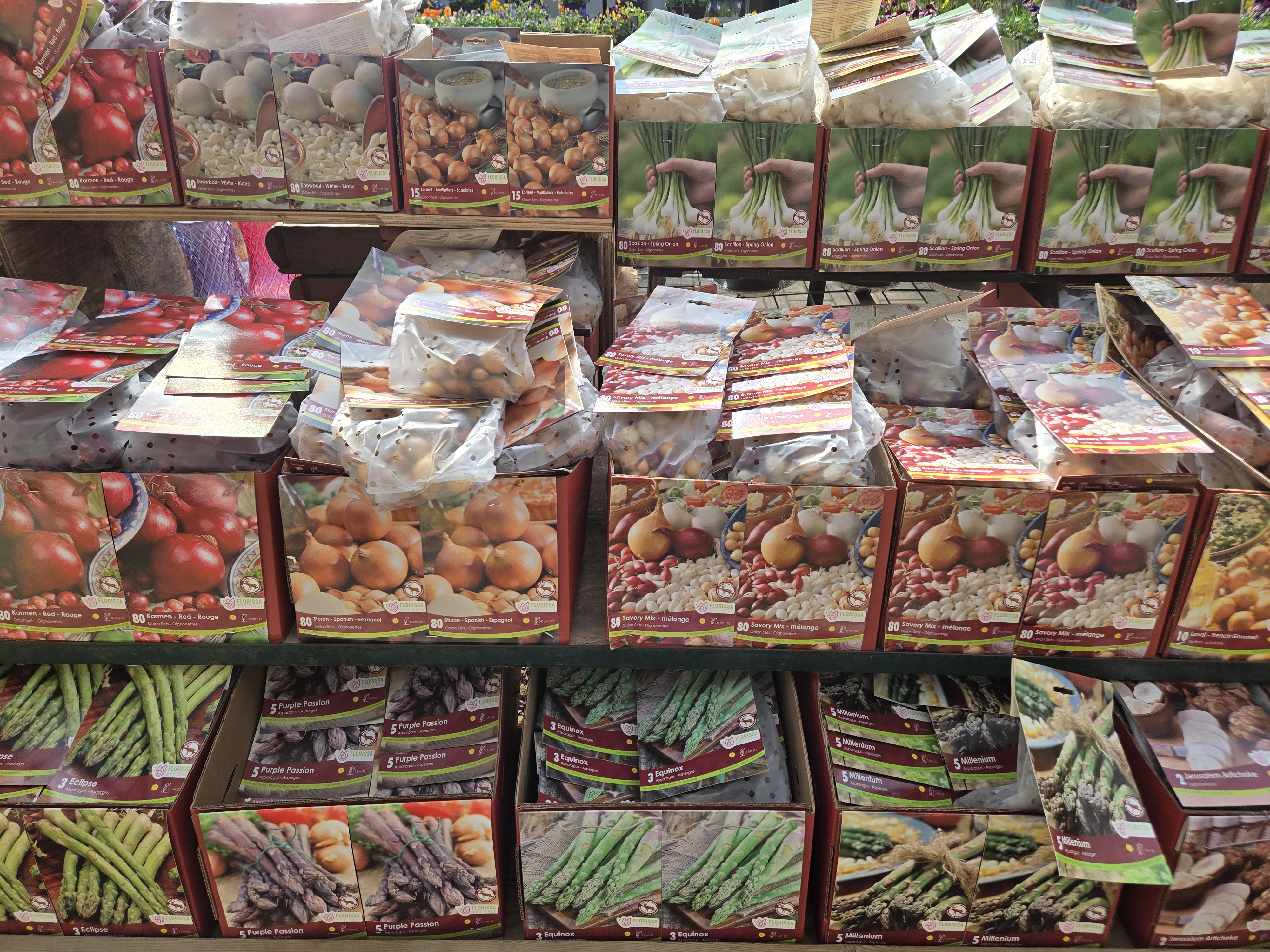
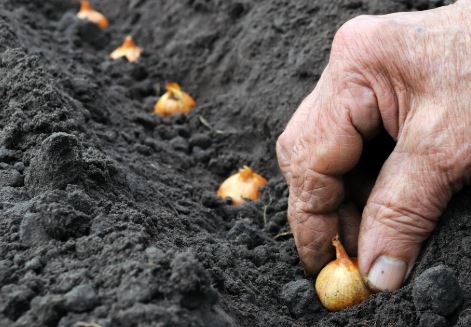
Onion sets are small dormant bulbs and are the easiest for beginners. They establish quickly and are widely available in spring.
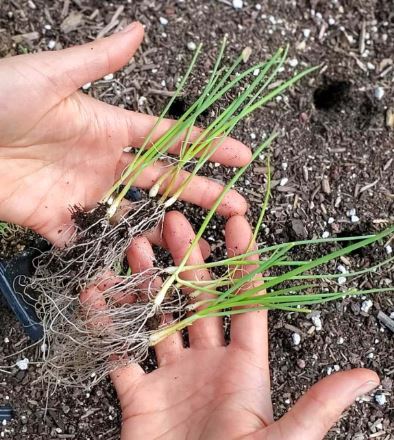
Onion plants or transplants are young seedlings sold in bunches. These often produce larger bulbs than sets.
Seeds offer the most variety, but they take longer and require an earlier start indoors.
How to plant onions
Choose a sunny spot with loose, fertile, well-drained soil. Onions do not like compacted ground, so work in compost before planting.
Plant sets or transplants about 1 inch deep, with the tip just at or above soil level. Space them about 4 inches apart for full-sized bulbs, with rows around 12 inches apart.
Keep the area weed-free, since onions do not compete well. Water consistently, especially while bulbs are forming. Reduce watering as harvest time approaches and tops begin to fall over. This helps the bulbs cure better.
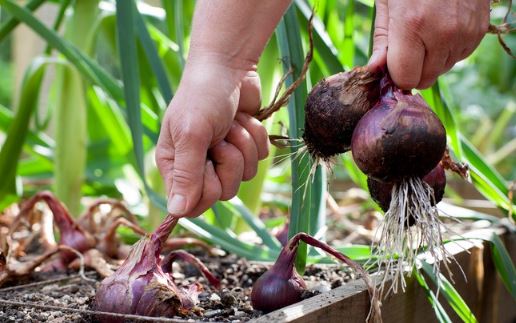
Onions are ready when the tops begin to yellow and fall over naturally. Pull them on a dry day and let them cure in a warm, airy place before storing.
POTATOES
Potatoes prefer cool soil for early development, but they should not sit in cold, soggy ground. If your spring is especially wet, it is better to wait a little than plant into muddy soil.
Choosing seed potatoes
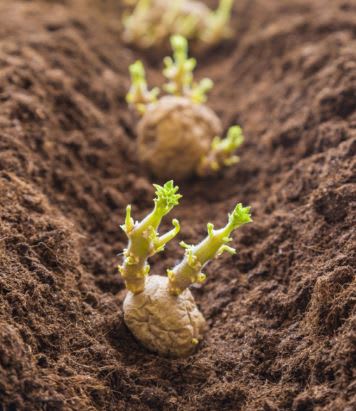
Always plant certified seed potatoes rather than grocery store potatoes. Seed potatoes are less likely to carry disease and are selected for planting performance.
If your seed potatoes are large, cut them into pieces with at least one or two eyes per piece. Let the cut pieces dry for a day or two before planting so the surfaces can callus over.
How to plant potatoes
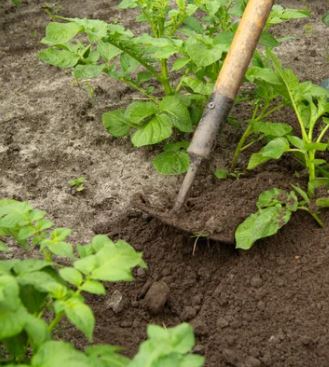
Plant seed potatoes about 4 inches deep and 12 inches apart in rows spaced 2 to 3 feet apart. As the plants grow, mound soil around the stems, a process called hilling. This protects developing tubers from sunlight, which can turn them green and bitter.
Potatoes can also be planted in large containers. Learn more about container gardening here.
Potatoes need even moisture, especially when tubers begin to form. Mulch can help retain moisture and reduce weeds. Continue watering while the plants are actively growing, then taper off once the foliage begins to yellow and die back.
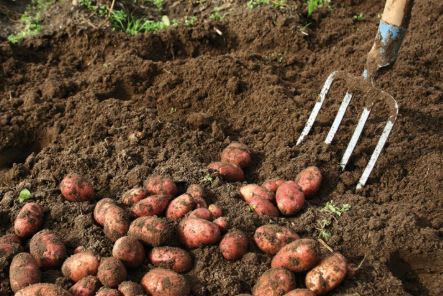
Potatoes can be harvested young as “new potatoes” a few weeks after flowering, or left in the ground for a fuller crop once the vines die back. Dig carefully to avoid damaging the tubers.